
Radiology practices operate in a fast-moving, high-volume environment. Imaging centers, diagnostic facilities, and hospital-based radiology departments often handle dozens — if not hundreds — of encounters daily. With that volume comes financial complexity. That’s why radiology medical billing requires a specialized, detail-driven approach to protect revenue and maintain steady cash flow.
When billing processes are inconsistent or reactive, reimbursement delays quickly follow. Denials increase. Accounts receivable age. Administrative teams become overwhelmed. On the other hand, when radiology billing is managed strategically, practices gain financial clarity, predictable revenue, and stronger long-term growth.
Many imaging providers partner with experienced revenue cycle specialists such as Zavisa RCM to streamline operations, reduce denials, and improve overall reimbursement performance.

Understanding the Radiology Revenue Cycle
Radiology medical billing is not simply about submitting claims. It is a structured financial workflow that begins before a patient is even seen and continues until final reimbursement is secured.
The process typically includes:
- Patient registration and demographic accuracy
- Insurance eligibility verification
- Charge capture and documentation review
- Claim submission
- Payer follow-up
- Denial resolution
- Payment posting and reconciliation
Each stage impacts the next. A minor registration error at the front desk can create weeks of delay later. In radiology, where volume is high and margins can be tight, even small breakdowns can have significant financial consequences.
Because imaging services often involve multiple payers and varying authorization requirements, billing processes must be consistent, proactive, and closely monitored.
The Most Common Radiology Medical Billing Challenges
1. High Claim Volume
Radiology centers typically process a large number of encounters each day. Even a small claim error rate can translate into dozens of denials per week. Without a structured review system, errors multiply quickly and strain staff resources.
2. Complex Payer Requirements
Different insurers maintain different reimbursement rules, documentation expectations, and medical necessity standards. Failure to meet these payer-specific requirements can lead to:
- Delayed payments
- Increased denials
- Underpayments
- Appeals workload growth
Tracking payer trends and identifying patterns is critical to minimizing revenue leakage.
3. Denials and Underpayments
Denied claims are not just administrative headaches — they represent stalled revenue. In radiology medical billing, common denial triggers include:
- Missing or incomplete information
- Authorization discrepancies
- Eligibility errors
- Timely filing issues
If denied claims are not addressed promptly, practices risk write-offs and permanent revenue loss.
How Optimized Radiology Medical Billing Improves Cash Flow
A well-managed billing process strengthens a practice in measurable ways.
Faster Reimbursements
When claims are clean on first submission, reimbursement cycles shorten. Reduced back-and-forth with payers means fewer delays and more predictable revenue.
Lower Accounts Receivable Days
Monitoring aging accounts and aggressively following up on unpaid claims helps reduce A/R days. This improves liquidity and makes financial forecasting more accurate.
Improved Financial Visibility
Accurate reporting allows administrators to track:
- Collection rates
- Denial trends
- Payer performance
- Revenue by service type
With strong reporting systems, leadership can make informed operational decisions rather than reacting to financial surprises.
Signs Your Radiology Practice May Need Billing Support
Radiology leaders often notice warning signs before revenue declines become severe. Common indicators include:
- Rising denial percentages month over month
- Accounts receivable exceeding 60–90 days
- Frequent payer communication issues
- Staff overwhelmed by billing inquiries
- Revenue plateauing despite steady patient volume
When these issues persist, it may signal that internal workflows need refinement or that specialized expertise could help improve performance metrics.
What to Look for in a Radiology Billing Partner
Choosing the right medical billing partner can dramatically impact your practice’s financial stability. When evaluating options, consider whether the organization offers:
- Experience working specifically with imaging services
- Transparent performance reporting
- Dedicated account management
- Proactive denial management strategies
- Ongoing payer trend analysis
A strong billing partner doesn’t just process claims — they actively identify opportunities to improve reimbursement rates and reduce financial friction.
Best Practices to Strengthen Radiology Medical Billing Internally
Even before considering outside support, practices can take several proactive steps to improve billing outcomes.
1. Monitor Denial Trends Monthly
Track the most common denial reasons and address root causes instead of treating each case individually.
2. Audit Insurance Verification Processes
Ensure eligibility checks are thorough and completed prior to service delivery.
3. Standardize Documentation Review
Consistent internal review procedures reduce preventable claim errors.
4. Track Key Performance Indicators (KPIs)
Monitor metrics such as:
- Clean claim rate
- Net collection rate
- Days in A/R
- First-pass resolution rate
These benchmarks provide clarity into billing performance and highlight areas for improvement.
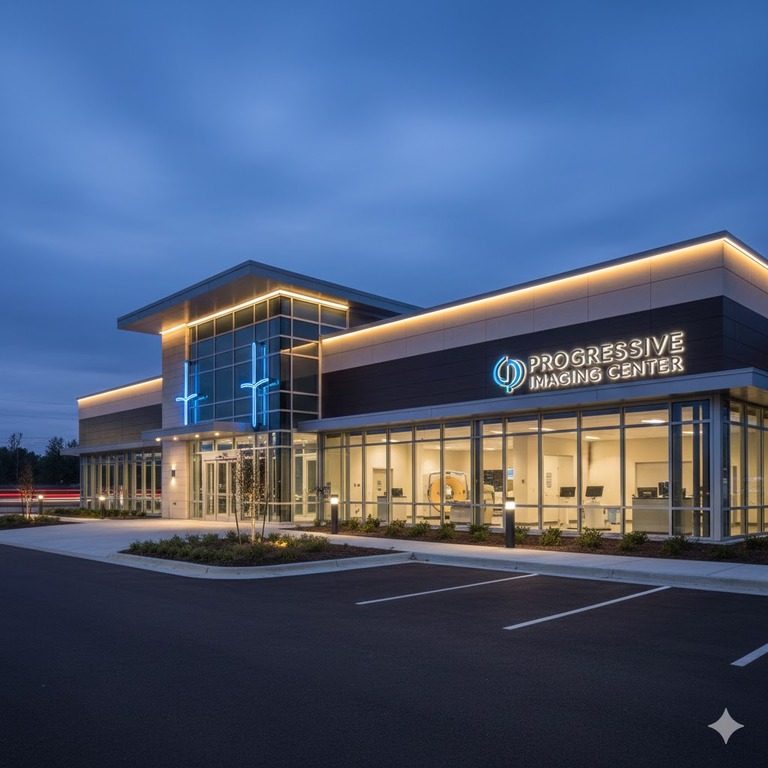
Building a Stronger Financial Future Through Strategic Radiology Medical Billing
Radiology practices face unique operational demands. High patient volumes, payer variability, and strict documentation standards make billing efficiency essential — not optional.
When radiology medical billing is optimized, practices benefit from:
- Reduced denials
- Faster reimbursements
- Improved revenue predictability
- Stronger financial planning
- Reduced administrative strain
Ultimately, financial stability allows radiology providers to focus on delivering quality imaging services while maintaining sustainable growth.
By evaluating current workflows, identifying inefficiencies, and implementing structured billing strategies, radiology practices can protect revenue and build a more resilient financial future.